In today’s fast-paced world of DIY projects, home repairs, and professional mechanics, having the right tools is only half the battle. The real game-changer lies in how you store and organize them. A cluttered workbench leads to lost time, damaged tools, and frustration. That’s why investing in quality tool chests and organizers isn’t just about neatness—it’s about efficiency, safety, and extending the life of your valuable gear. Whether you’re a weekend warrior tinkering in your garage or a seasoned technician running a busy shop, this ultimate guide will walk you through everything you need to know to choose, set up, and maintain the perfect storage solution. From rolling cabinets that glide across the floor to compact portable boxes that travel with you, we’ll cover types, materials, features, and pro tips to transform your workspace. By the end, you’ll be equipped to find storage that matches your needs, budget, and space—saving you hours and headaches for years to come.
- Why Proper Tool Storage Matters More Than You Think
- Exploring Different Types of Tool Chests
- Tool Organizers: The Secret to Laser-Focused Efficiency
- Materials Matter: Steel, Plastic, or Aluminum?
- Essential Features to Look For When Buying
- How to Choose and Organize Like a Pro
- Maintenance Tips to Keep Your Storage System Like New
- Conclusion: Invest Once, Benefit Forever
Why Proper Tool Storage Matters More Than You Think
Tool storage isn’t an afterthought; it’s the foundation of a productive workspace. Imagine hunting for a 10mm socket for 15 minutes while your project sits idle—that’s wasted time that adds up fast. Quality chests and organizers reduce search time by up to 50%, according to workshop efficiency studies, letting you focus on the task instead of the hunt.
Time Savings and Workflow Efficiency
Organized storage creates a logical system. Drawers labeled by tool type, shadow boards outlining each wrench’s spot, and rolling chests positioned exactly where you need them mean every job flows smoother. Professionals report completing repairs 30% faster with dedicated organizers because tools are always visible and accessible.
Protecting Your Investment
Tools are expensive. A dropped wrench or rusted plier from poor storage can cost you hundreds over time. High-quality chests feature foam liners, drawer dividers, and weatherproof seals that shield against dust, moisture, and impacts. This protection extends tool lifespan dramatically—think years instead of months for precision instruments like multimeters or torque wrenches.
Safety and Space Optimization
Loose tools on the floor create trip hazards and injury risks. Wall-mounted organizers and vertical storage free up floor space, especially in small garages or apartments. Plus, locked chests keep dangerous power tools away from kids or unauthorized hands. In shared workshops or job sites, secure storage prevents theft and maintains professionalism.
Exploring Different Types of Tool Chests
Not all storage is created equal. Understanding the main categories helps you match the right chest to your workflow and space.
Rolling Tool Chests: Mobility Meets Capacity
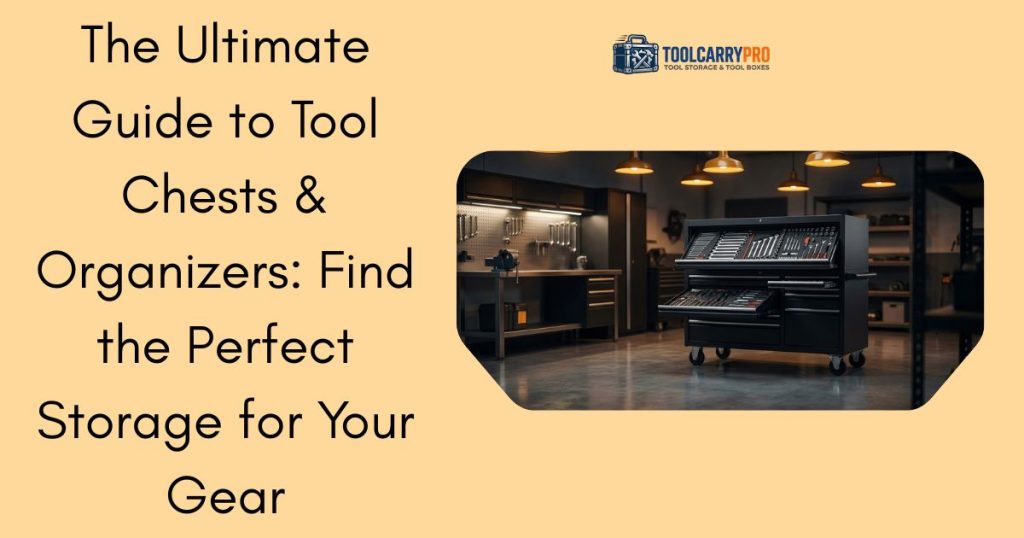
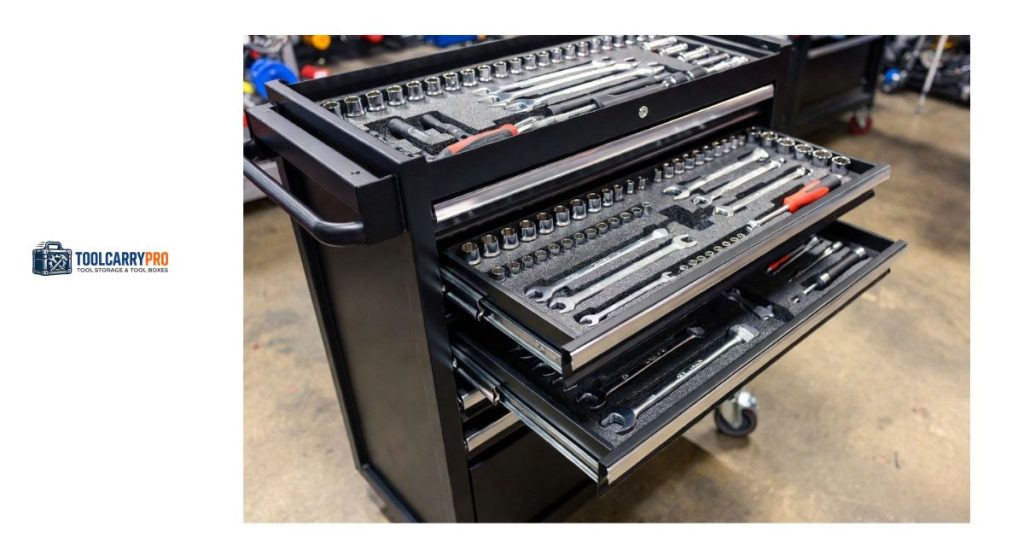
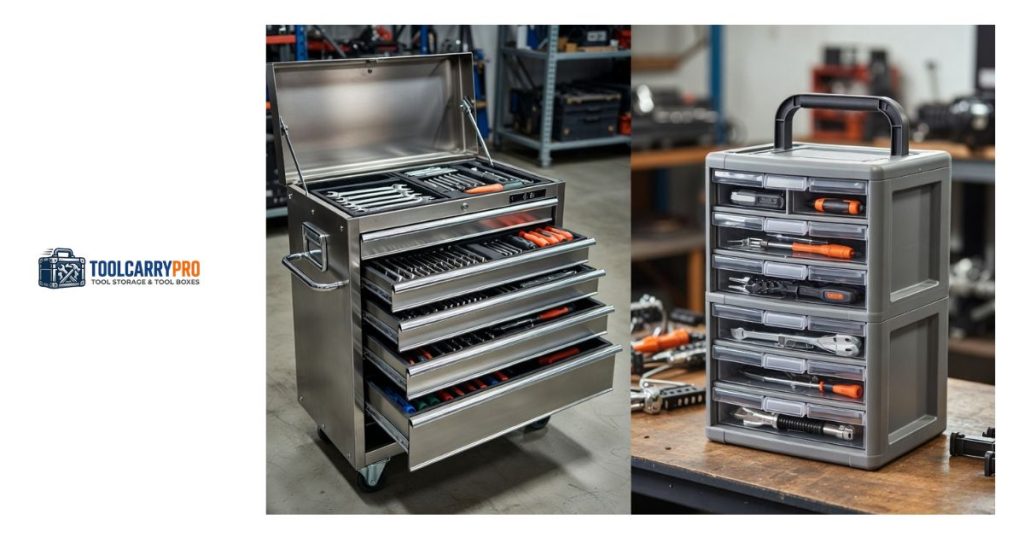
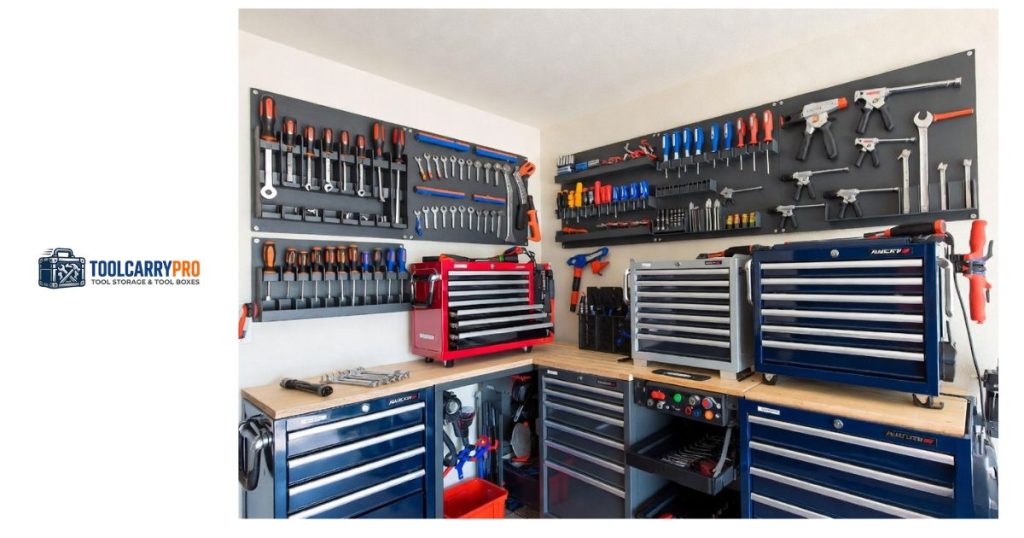
These are the workhorses of any serious shop. With heavy-duty casters, multiple deep drawers, and locking mechanisms, rolling chests can hold hundreds of tools while moving effortlessly across concrete floors. Look for models with ball-bearing slides that support 100+ lbs per drawer and reinforced steel construction for daily abuse. Ideal for mechanics, they often include a top surface that doubles as a workstation. Sizes range from compact 26-inch units for home use to massive 72-inch monsters for commercial garages.
Portable Tool Boxes: Grab-and-Go Convenience
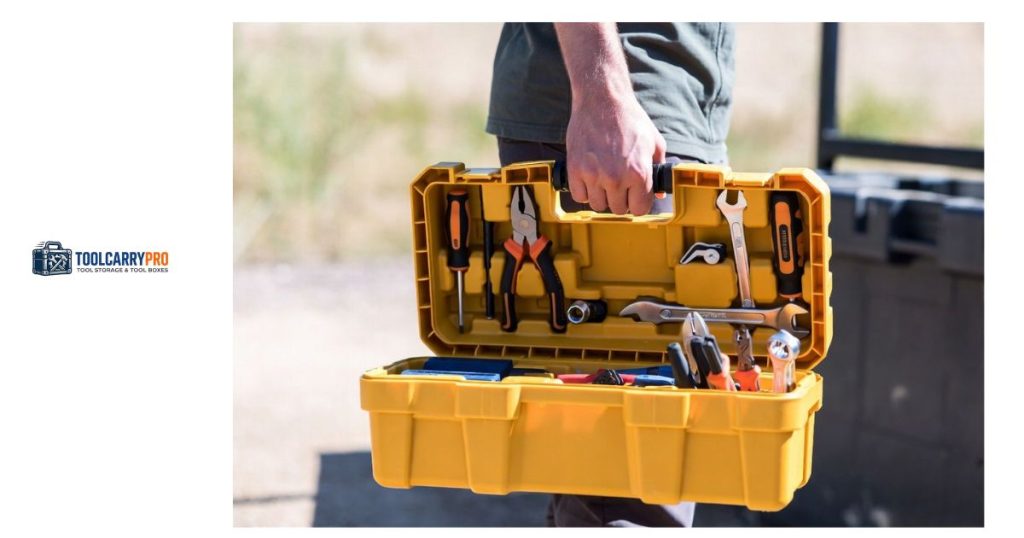
When the job comes to you, portable boxes shine. Molded plastic or aluminum versions with compartments, lift-out trays, and ergonomic handles are lightweight yet tough. Many feature waterproof seals and padlock hasps for job-site security. They’re perfect for electricians, plumbers, or DIYers who travel between locations. Stackable designs let you build a modular system that fits in your truck bed or van.
Stationary Tool Cabinets and Truck-Mount Boxes
For fixed locations like a home garage or pickup truck, stationary cabinets offer maximum stability and volume. Truck tool boxes bolt securely to your vehicle, protecting gear from weather and theft during commutes. These often use weather-sealed lids and reinforced mounting brackets. (312 words so far in this section)
Tool Organizers: The Secret to Laser-Focused Efficiency
Chests provide the big storage, but organizers make the magic happen inside.
Drawer Inserts, Foam Liners, and Dividers
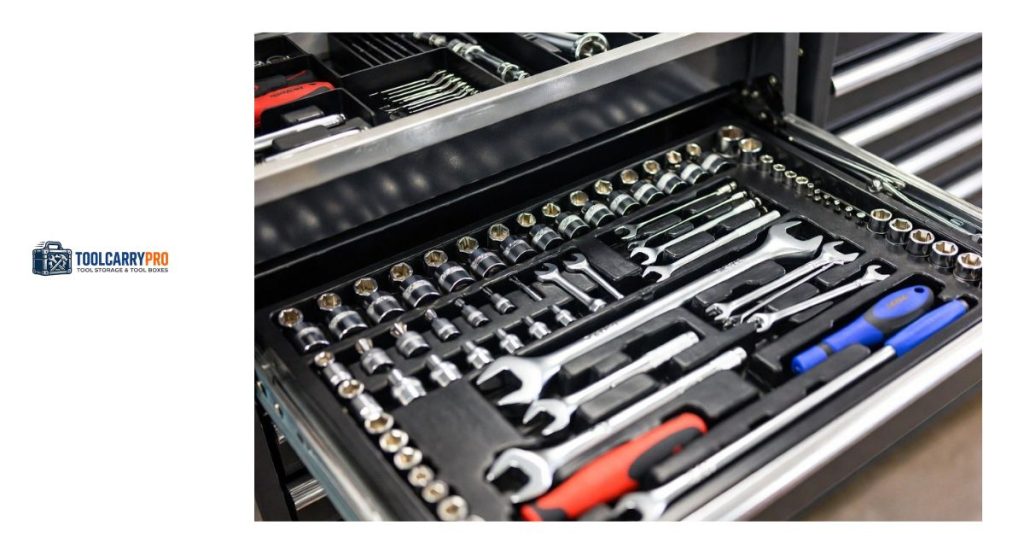
Custom-cut foam or adjustable plastic dividers turn chaotic drawers into precision layouts. Shadow boards and laser-etched trays show exactly where each tool belongs—even a missing item jumps out immediately. Color-coding (red for metric, blue for SAE) adds another layer of speed.
Wall-Mounted Pegboards and Slatwall Systems
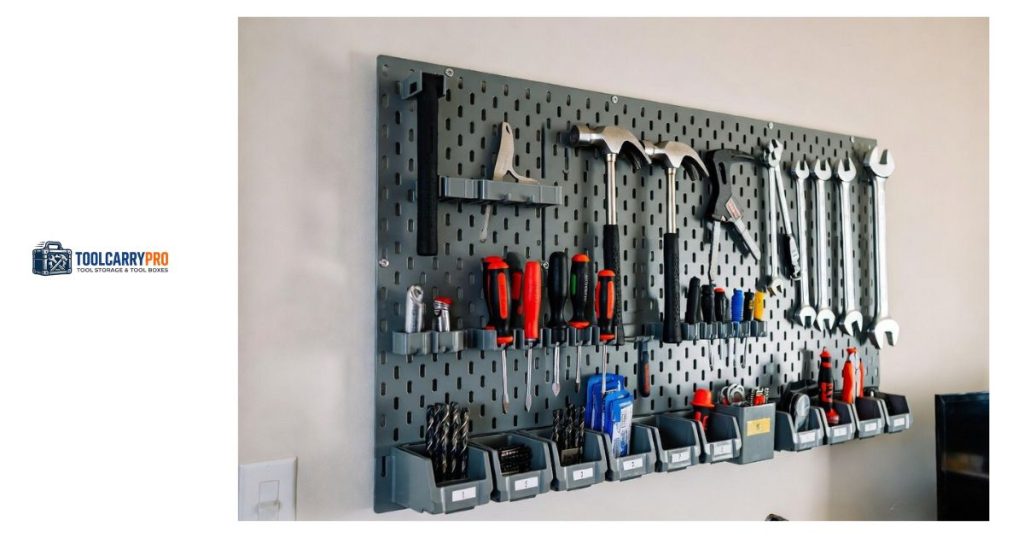
Vertical space is often overlooked. Pegboards with hooks, shelves, and bins keep frequently used tools at eye level. Modern slatwall panels accept specialized holders for power tools, extension cords, and even small parts bins. These systems are inexpensive to expand and perfect for small workshops where floor space is premium.
Materials Matter: Steel, Plastic, or Aluminum?
Your choice of material affects weight, durability, cost, and corrosion resistance.
Steel tool chests deliver unmatched strength and longevity. Powder-coated finishes resist scratches and rust, making them favorites for heavy industrial use. However, they’re heavier and more expensive.
Plastic organizers excel in portability and affordability. High-impact polypropylene won’t dent or rust, and they’re lighter for carrying upstairs or into tight spaces. Modern composites even rival steel in load capacity for lighter-duty needs.
Aluminum strikes a balance—lightweight like plastic but stronger and naturally corrosion-resistant. Great for marine or outdoor environments, though premium models cost more upfront.
Consider your environment: humid coastal areas favor aluminum or treated steel; dusty job sites love sealed plastic.
Essential Features to Look For When Buying
Don’t just grab the first chest you see. Prioritize these must-haves:
- Smooth Drawer Slides: Ball-bearing or roller-bearing slides prevent sticking under heavy loads.
- Security: Central locking systems and reinforced hasps keep everything safe.
- Weight Capacity & Build Quality: Check drawer ratings and overall gauge of steel.
- Modularity: Look for stackable or expandable systems that grow with your collection.
- Ergonomics: Comfortable handles, low-friction wheels, and non-slip work surfaces.
- Accessories Included: Many come with liners, trays, or power-strip cutouts.
Budget tip: Spend more on the chest and save on organizers initially—you can always upgrade dividers later.
How to Choose and Organize Like a Pro
Start by assessing your needs: How many tools do you own? Do you work in one spot or travel? Measure your available space—rolling chests need clearance for wheels, while wall systems need stud backing.
Step-by-Step Organization Method
- Empty everything and sort by category (hand tools, power tools, fasteners).
- Install foam liners or dividers in drawers.
- Label everything clearly—use a label maker or vinyl stickers.
- Place most-used tools at waist height; rarely used items higher or lower.
- Create a “shadow board” for visual inventory.
Adopt the 5S methodology (Sort, Set in order, Shine, Standardize, Sustain) from lean manufacturing. Review quarterly to purge duplicates or broken items.
Maintenance Tips to Keep Your Storage System Like New
Wipe down chests monthly with a mild cleaner to prevent grime buildup. Lubricate wheels and slides every six months with silicone spray. Check locks and hinges for wear. For outdoor truck boxes, inspect seals annually to avoid water intrusion. Store tools clean and lightly oiled to prevent rust inside organizers.
Conclusion: Invest Once, Benefit Forever
The right tool chests and organizers turn chaos into calm productivity. Whether you pick a rolling giant, a portable powerhouse, or a full wall system, the key is matching it to your lifestyle and then maintaining the system. Start small if budget is tight—add one quality chest and build from there. Your future self (and your tools) will thank you every time you reach for exactly what you need in seconds. Ready to upgrade? Measure your space, list your must-have features, and shop smart. Your perfectly organized workshop awaits!