In the world of workshop organization, few items evoke as much passion as a solid tool box. For decades, mechanics, machinists, and DIY enthusiasts have debated the merits of classic storage solutions against today’s sleek, feature-packed designs. At the center of this conversation stands the vintage Waterloo tool box—iconic steel chests produced by Waterloo Industries from the 1970s through the early 2000s. Known for their robust construction and unmistakable red or blue finishes, these boxes often surface on secondary markets like eBay or garage sales. But are they truly superior to modern alternatives from brands like Husky, Craftsman, Milwaukee Packout, or even newer Waterloo-inspired models? This in-depth comparison weighs build quality, durability, features, cost, and real-world performance to help you decide.
Vintage Waterloo boxes represent an era when American manufacturing emphasized heavy-gauge steel and simple, bombproof engineering. Many were made for Sears under the Craftsman badge, delivering commercial-grade performance at a fraction of premium-tool prices. Today’s options, by contrast, prioritize modularity, lighter weight, and innovations like ball-bearing slides and waterproofing. Whether you’re a professional restoring classic cars or a weekend warrior tackling home projects, understanding the trade-offs is key.
The Rich History of Waterloo Toolboxes
Founding and Evolution of the Brand
Waterloo Industries began as a small operation in the Midwest, initially tied to valve spring compressors before expanding into tool storage. By the mid-20th century, the company had become a major supplier of tool chests for both professional and home use. They produced boxes across a spectrum—from light-duty homeowner models to heavy commercial-grade units. Many vintage examples from the 1970s and 1980s were built with 18- to 20-gauge steel, reinforced corners, and friction-slide drawers that locked securely when the lid closed. These chests were often sold through Sears, wearing the Craftsman label, and earned a reputation for outlasting their owners.
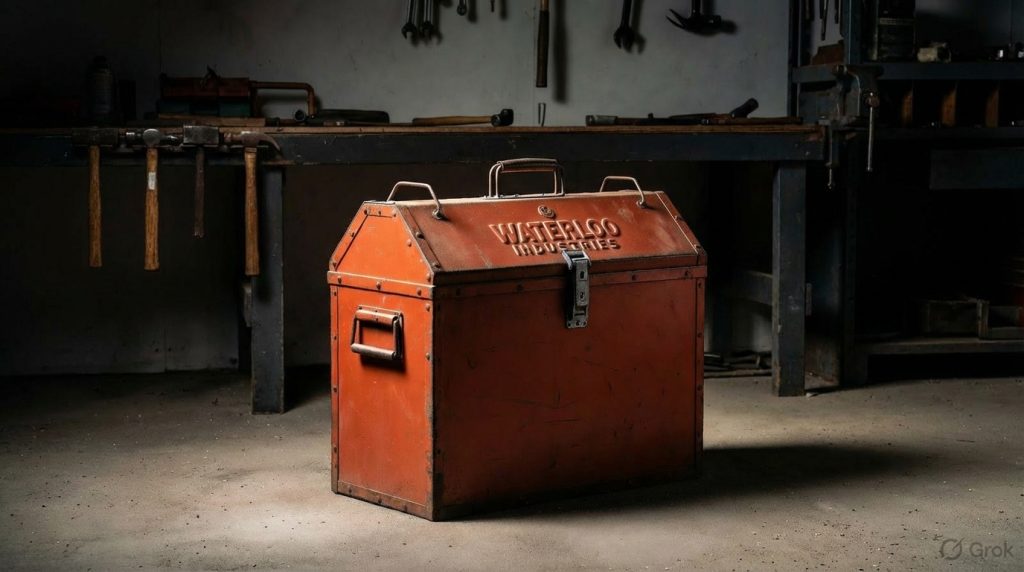
Forum discussions on sites like Garage Journal and Practical Machinist frequently highlight how Waterloo supplied the majority of U.S.-made toolboxes for decades. Older models featured thick welds, sturdy handles, and a no-nonsense design meant for daily abuse in machine shops and auto garages. Unlike today’s mass-produced imports, these boxes were engineered for longevity, with many still functioning after 40 or 50 years of service.
Exploring Modern Tool Box Alternatives
Key Features of Today’s Options
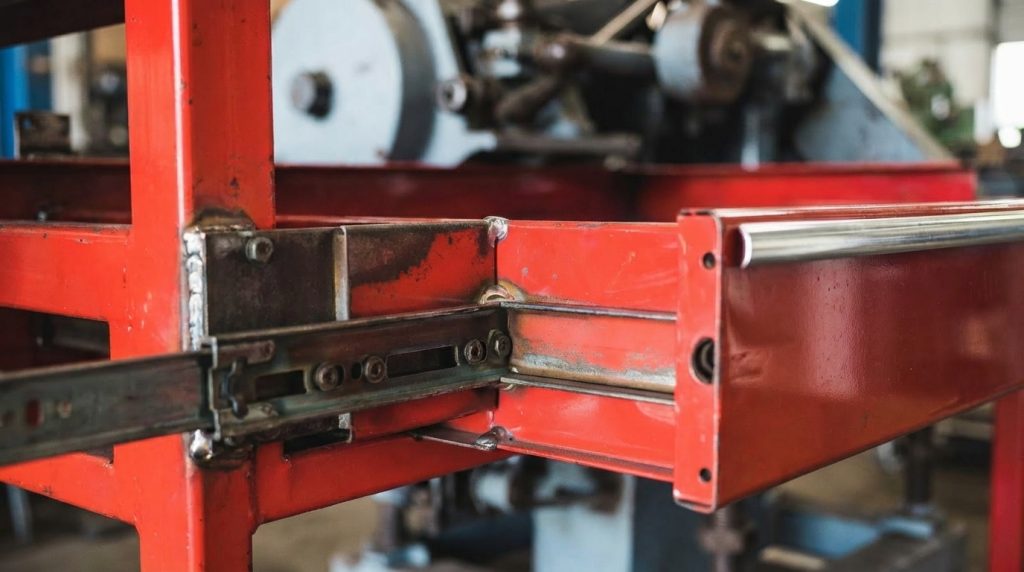
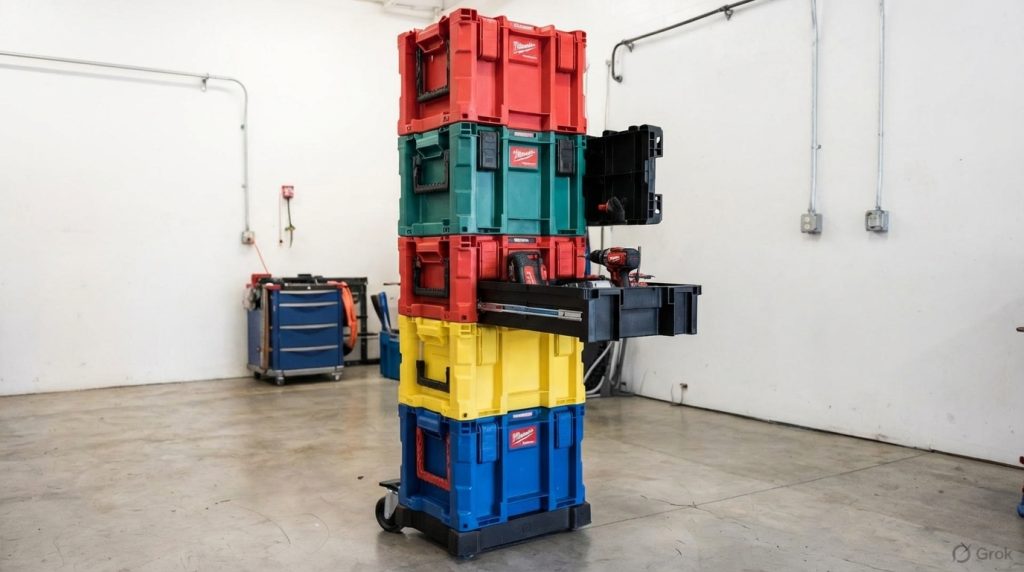
Modern tool storage has evolved dramatically. Brands like Milwaukee with its Packout system, DeWalt ToughSystem, and Husky rolling cabinets emphasize modularity and portability. Plastic or composite boxes dominate contractor job sites because they resist rust, weigh less, and stack seamlessly. Steel models from current lines—whether rebranded Craftsman or budget options from Harbor Freight’s U.S. General series—often incorporate ball-bearing slides for effortless drawer movement, even under heavy loads. Many include soft-close dampers, LED lighting, and USB charging ports.
Waterproof seals and impact-resistant materials make these boxes ideal for outdoor or mobile work. Unlike vintage steel chests that can dent or corrode, modern alternatives prioritize convenience and customization. Stackable systems allow users to build vertical storage walls or load them onto carts for transport between job sites.
Popular Modern Brands and Systems
Beyond traditional chests, modular ecosystems like Ryobi Link, ToughBuilt StackTech, and Klein MODbox offer tool-specific organizers that clip together. For those seeking steel, Husky and Kobalt provide affordable rolling cabinets with full-extension drawers. Premium players like Kennedy or Snap-on deliver high-end builds, but at costs that dwarf most vintage finds. Recent reviews from 2025-2026 note that while modern boxes excel in features, some users report thinner drawer bottoms and faster wear compared to 1980s Waterloo units.
Direct Comparison: Vintage vs Modern
Durability and Build Quality
When it comes to raw toughness, vintage Waterloo tool boxes often take the crown. Constructed from heavier steel gauges, these chests shrug off drops and daily impacts that would dent lighter modern equivalents. Users on Reddit and Practical Machinist consistently report that pre-2000 Waterloo boxes outlast newer models, with mechanics trading in fresh units for decades-old ones. Welds are tighter, corners more reinforced, and the overall heft signals quality.
Modern alternatives counter with advanced coatings and rust-resistant treatments. However, many steel models from big-box stores use thinner 22- or 24-gauge metal, leading to complaints of flexing drawers or premature rust in humid shops. Plastic modular systems avoid corrosion entirely but lack the solid “heirlooms” feel of vintage steel. In head-to-head tests shared in YouTube comparisons, vintage Waterloo chests hold up better under extreme weight loads.
Material and Construction Differences
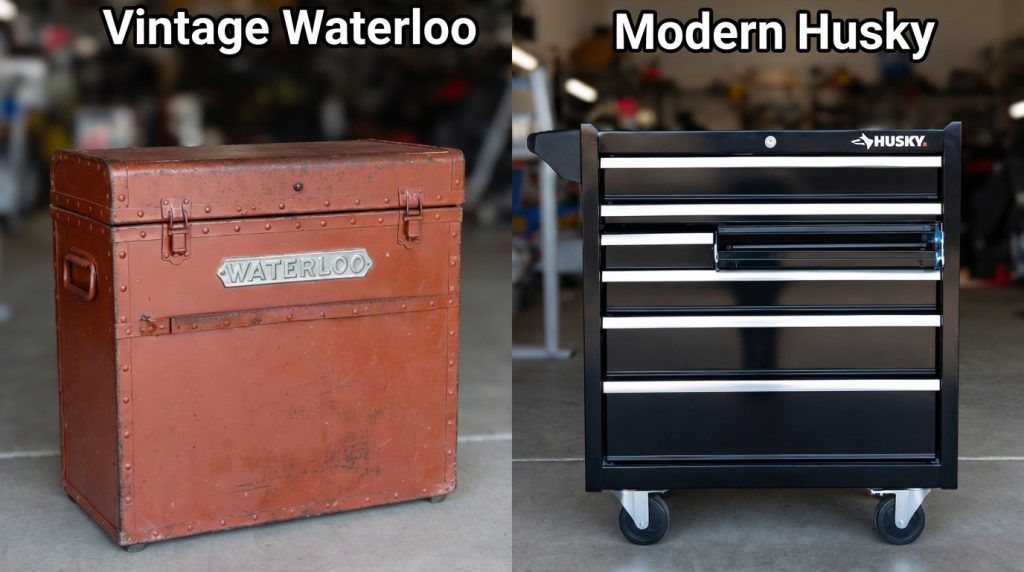
Vintage units rely on all-steel construction with minimal plastics, delivering superior rigidity. Modern designs mix materials—powder-coated steel frames paired with composite drawers—for lighter weight and smoother operation. Ball-bearing slides in contemporary boxes reduce effort but can fail if overloaded, whereas vintage friction slides prove more forgiving over time.
Functionality and Convenience
Here, modern tool boxes shine. Ball-bearing slides, soft-close mechanisms, and built-in power strips make daily use effortless. Modular systems allow quick reconfiguration for different jobs, while vintage Waterloo boxes demand more planning—their fixed layouts and heavier weight suit stationary workshops better than mobile work. Portability suffers with older chests, though many owners add custom casters.
Storage capacity remains comparable, but modern interiors feature customizable dividers and foam inserts for better organization. Vintage boxes often require aftermarket upgrades for optimal tool layout.
Cost and Long-Term Value
Vintage Waterloo boxes offer exceptional value on the used market. A solid 1980s chest might cost $200–$600 restored, compared to $800+ for a comparable new steel cabinet. Resale value holds strong—well-maintained vintage units appreciate among collectors. Modern alternatives are cheaper upfront for basic models but depreciate faster and may need replacement sooner.
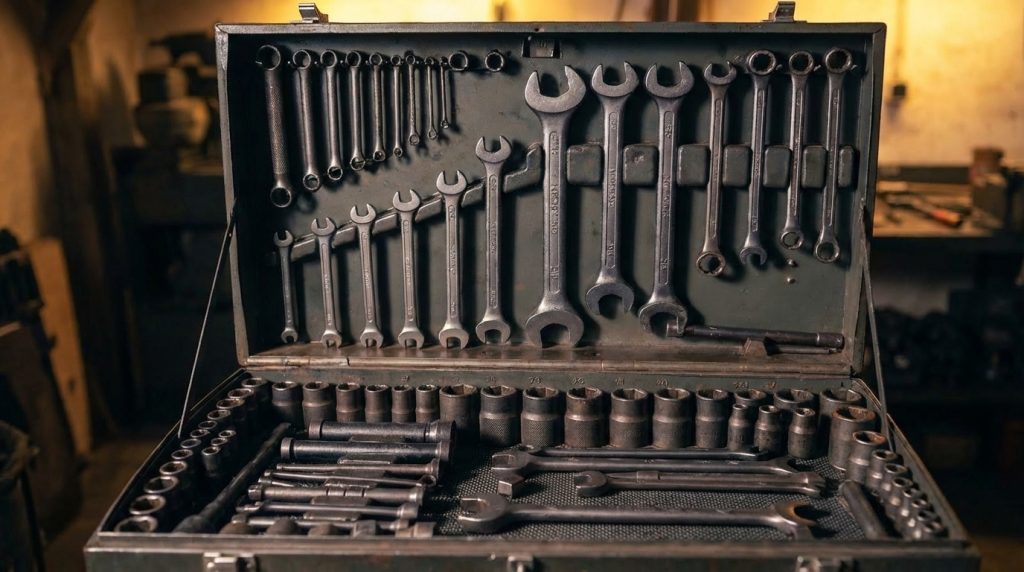
Long-term ownership favors vintage for those who value durability over bells and whistles. Restoration projects, detailed in recent guides from 2026, show how a rusty Waterloo can become a showpiece for under $100 in materials.
What Users Are Saying?
Real-world feedback echoes the divide. On forums like Garage Journal, longtime machinists swear by their 1970s Waterloo chests, calling newer versions “casual homeowner quality.” Reddit threads praise vintage models for surviving decades of abuse, while modern modular systems win praise from contractors for job-site mobility. One recurring theme: older Waterloo boxes feel like investments, whereas many modern options feel disposable.
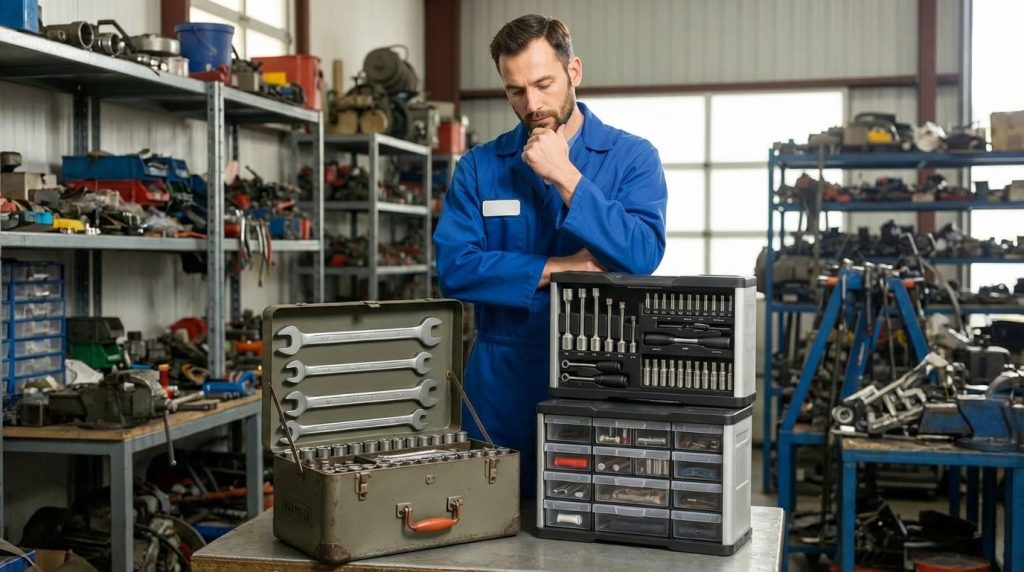
Enthusiasts restoring vintage units report satisfaction from bringing history back to life, while younger users prefer the “set it and forget it” convenience of Packout-style systems.
Conclusion: Is Vintage Better?
So, is a vintage Waterloo tool box better than modern alternatives? It depends on your priorities. If you seek unmatched durability, timeless craftsmanship, and long-term value, the classic steel chests from Waterloo’s golden era deliver. Their heavier construction and simple engineering have proven they outlast trends. For mobile professionals needing lightweight modularity and cutting-edge features, today’s systems from Milwaukee, DeWalt, or Husky provide unmatched convenience.
Ultimately, vintage Waterloo boxes win for purists and those building a legacy workshop. They embody reliability that modern mass production often sacrifices. Whichever path you choose, invest in quality storage—your tools (and future self) will thank you. Whether hunting eBay for a patina-covered gem or walking into Home Depot for the latest modular stack, the right box transforms your workspace from cluttered chaos to efficient command center.