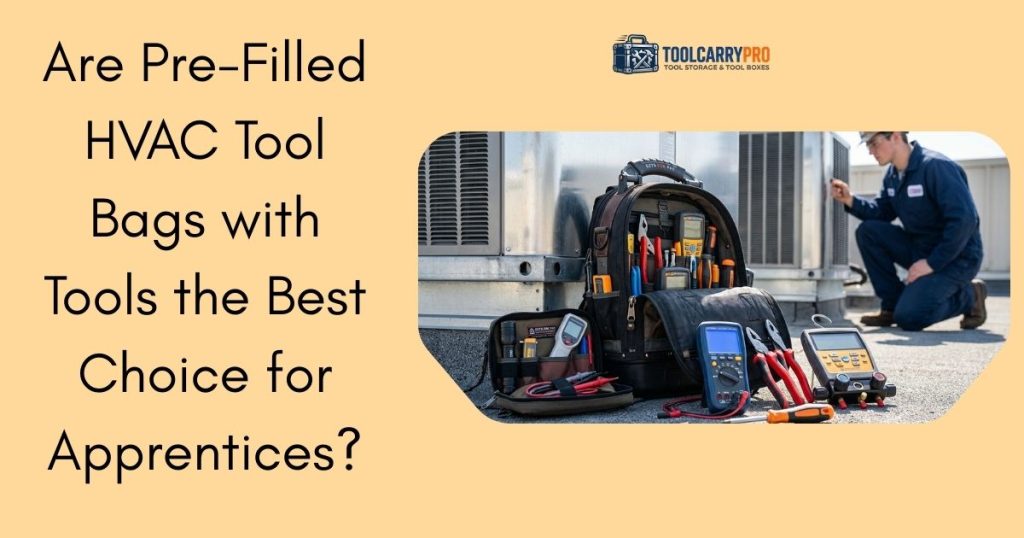
Aspiring HVAC technicians stepping into apprenticeships face countless decisions, but few are as impactful as choosing how to carry and organize their tools. Pre-filled HVAC tool bags promise a complete, ready-to-go solution packed with industry-specific equipment straight out of the box. These kits are marketed heavily toward beginners because they eliminate the guesswork of building a starter set. But are they genuinely the smartest investment for apprentices who are still learning the ropes, or do they come with hidden limitations that could slow down long-term growth? This comprehensive guide dives deep into the pros, cons, real-world performance, and smarter alternatives. We’ll examine everything from cost savings and convenience to quality concerns and customization needs so you can make a confident, informed decision that supports your entire apprenticeship journey and beyond.
- What Are Pre-Filled HVAC Tool Bags?
- Advantages for HVAC Apprentices
- Potential Drawbacks to Consider
- Comparing Pre-Filled Bags to Building Your Own Kit
- What to Look for in a Pre-Filled HVAC Tool Bag
- Real-World Apprentice Experiences and Expert Tips
- Expert Recommendations for Long-Term Success
- Conclusion: Finding the Best Fit for Your Apprenticeship
What Are Pre-Filled HVAC Tool Bags?
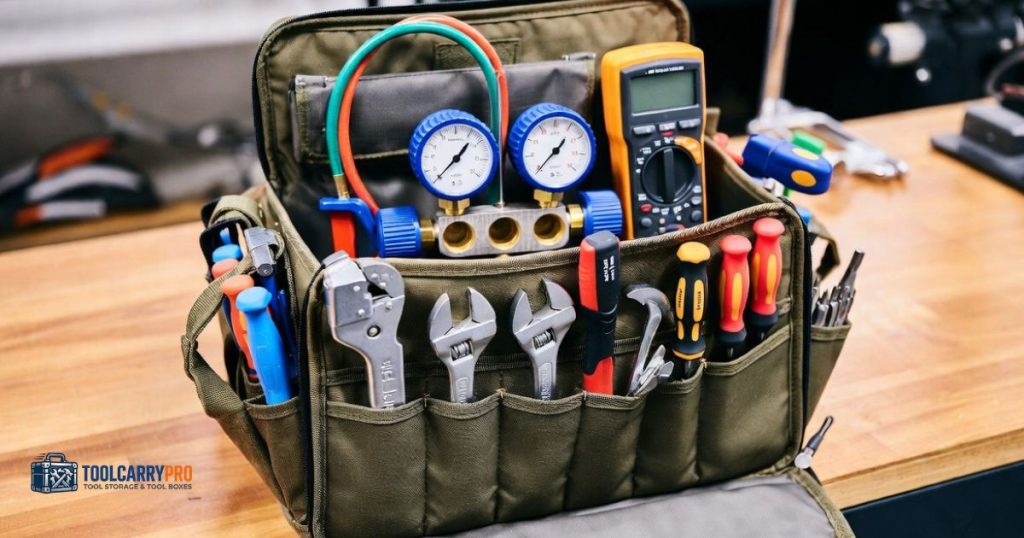
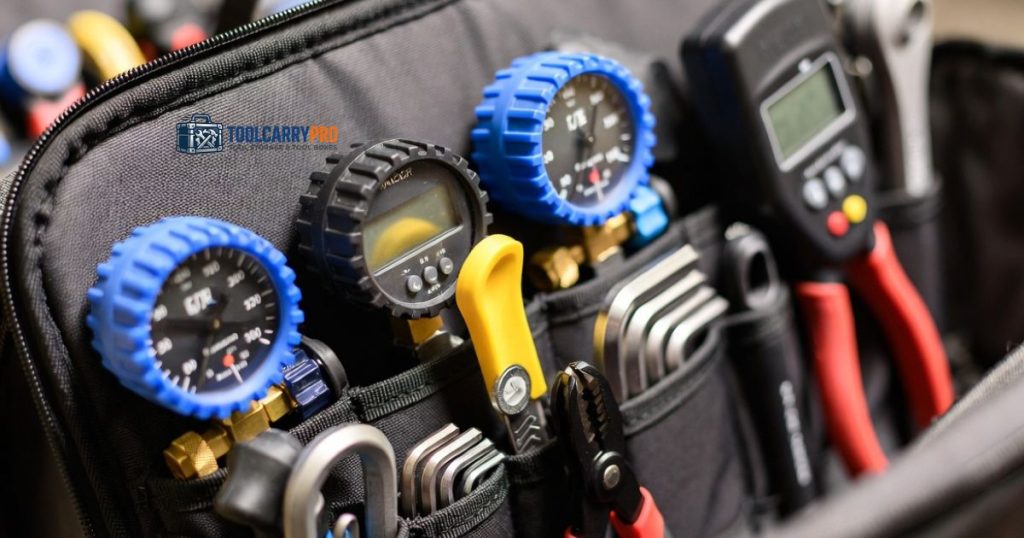
Pre-filled HVAC tool bags are heavy-duty carriers—typically constructed from rugged canvas, ballistic nylon, or reinforced polyester—already loaded with a curated collection of tools designed specifically for heating, ventilation, and air conditioning work. Unlike empty bags or generic toolboxes, these kits arrive fully stocked, saving apprentices hours of individual shopping and research. Common inclusions feature a manifold gauge set for checking refrigerant pressures, copper tubing cutters, flaring and swaging tools, pipe benders, adjustable wrenches, nut drivers, precision screwdrivers, a digital multimeter, infrared thermometer, wire strippers, and often a basic vacuum pump or leak detector in higher-end models.
Key Features That Appeal to Beginners
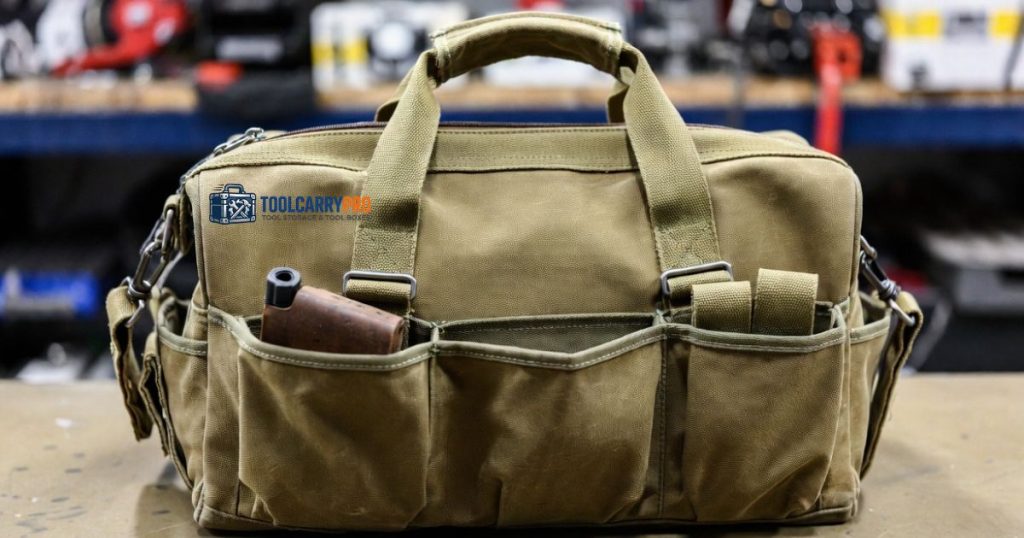
These bags usually include multiple zippered compartments, padded pockets to protect sensitive gauges, reinforced handles, and adjustable shoulder straps for comfortable all-day carry on rooftops or crawl spaces. Weather-resistant zippers and sturdy stitching help them survive dusty job sites and occasional rain. Price points typically fall between $150 and $450, making them accessible for apprentices on modest starting wages. Popular brands focus on ergonomic design so tools stay organized and quickly accessible during service calls. (178 words)
Advantages for HVAC Apprentices
The primary appeal lies in instant readiness. New apprentices can walk onto their first job site with everything needed instead of scrambling to buy missing items mid-project.
Convenience and Immediate Productivity Boost
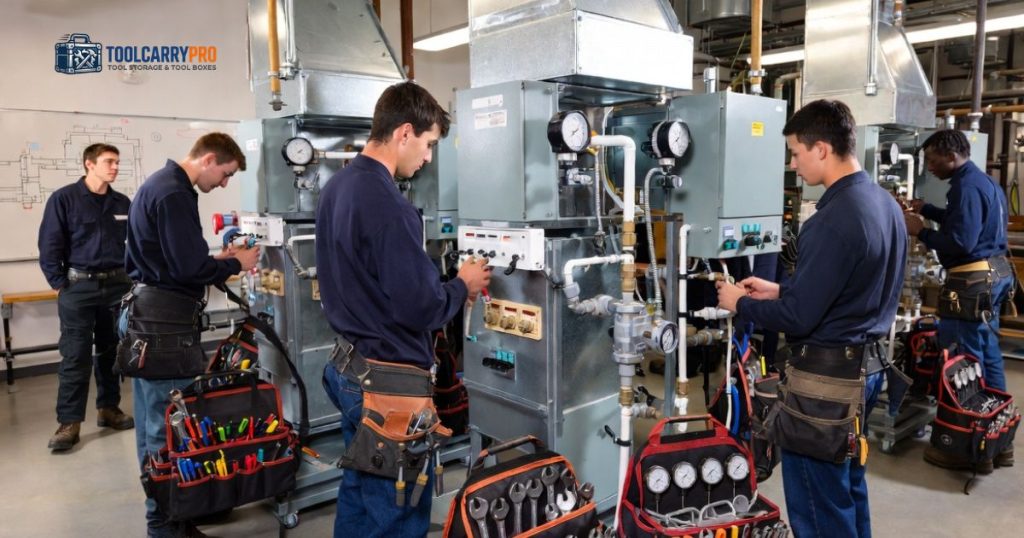
Pre-filled bags eliminate the overwhelming task of selecting individual tools while you’re still mastering HVAC fundamentals. Everything is pre-organized in logical pockets, which reduces search time and helps beginners develop efficient habits early. Vocational schools and union programs often endorse these kits because they align with standard training curricula, ensuring apprentices have the right tools for common tasks like refrigerant recovery, electrical troubleshooting, and ductwork installation right from day one.
Cost-Effectiveness and Budget Relief
Purchasing tools separately can easily exceed $600 when bought at full retail. Bundled pre-filled kits frequently deliver 25-35% savings through manufacturer discounts. For apprentices balancing tuition, tools, and living expenses, this financial breathing room is invaluable. The included tools also encourage safe practices by providing proper equipment instead of makeshift substitutes that could lead to accidents or poor-quality work.
Potential Drawbacks to Consider
While convenient, pre-filled kits have notable limitations that apprentices should weigh carefully before committing.
Quality and Longevity Concerns
Budget-oriented pre-filled bags sometimes include entry-level tools that perform adequately for training but wear out quickly under real-world demands—such as repeated use in extreme heat, vibration, or exposure to refrigerants. Gauges may lose calibration faster, and cutters can dull after only a few months of daily use, forcing premature replacements that add unexpected costs.
Lack of Personalization and Future-Proofing
These kits follow a generic formula that may include tools you rarely need while omitting specialized items required for your specific niche (residential versus commercial or new construction versus service). As apprentices gain experience, they often discover preferences for certain brands or ergonomic designs. Relying solely on a pre-filled bag can lead to a cluttered setup once you start adding personal upgrades, reducing overall efficiency on the job.
Comparing Pre-Filled Bags to Building Your Own Kit
Many seasoned technicians recommend starting custom instead of relying on pre-filled solutions long-term.
Benefits of Custom-Built HVAC Tool Kits
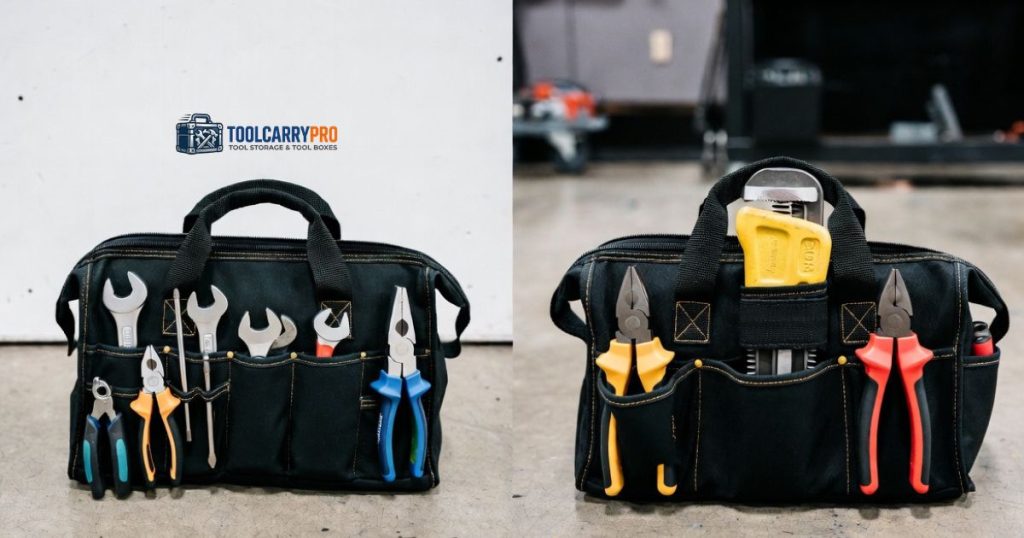
Choosing an empty premium bag lets you hand-select tools based on mentor advice, apprenticeship curriculum, or personal work style. You can prioritize higher-quality brands for high-use items like flaring tools or multimeters, ensuring better accuracy and durability. Custom organization also builds muscle memory and professional pride—knowing exactly where every item lives speeds up every service call.
When Pre-Filled Kits Still Make Sense?
For complete novices with zero tools and limited budgets, a quality pre-filled bag remains an excellent short-term bridge. It provides a standardized foundation while you learn what works best for your hands and workflow. Many apprentices use the pre-filled kit for the first 6-12 months, then transition by swapping in upgraded tools and moving the original bag to backup or secondary use. This hybrid approach combines convenience with growing expertise.
What to Look for in a Pre-Filled HVAC Tool Bag
If you lean toward a pre-filled option, focus on these critical details to avoid buyer’s remorse.
Must-Have Tools and Construction Quality
Verify the kit contains core HVAC essentials: accurate manifold gauges, sharp tubing cutters, reliable flaring tools, a true-RMS multimeter, and sturdy hand tools. Inspect bag material for thick, water-resistant fabric, double-stitched seams, and padded compartments. Customer reviews from verified HVAC professionals offer the most honest insight into real-world durability.
Warranty, Support, and Expandability
Look for kits backed by at least a one-year warranty on both bag and tools. Some brands offer free replacement parts or upgrade paths, which is especially helpful during the learning phase when accidental drops happen frequently.
Real-World Apprentice Experiences and Expert Tips
Apprentices on trade forums and in vocational programs report that pre-filled bags excel at building early confidence but often require supplementation after six months. One common theme: the convenience helps complete first service calls smoothly, yet many end up investing another $200–300 in upgraded specialty tools. Experts advise treating any pre-filled kit as a starting point rather than a permanent solution.
Expert Recommendations for Long-Term Success
Veteran HVAC technicians suggest evaluating your learning style first. If you thrive on structure, a pre-filled bag accelerates progress. If you prefer control, begin with a high-quality empty bag and build deliberately. Regardless of choice, prioritize safety gear, regular tool maintenance, and periodic kit audits to keep everything organized and efficient.

Conclusion: Finding the Best Fit for Your Apprenticeship
Pre-filled HVAC tool bags with tools deliver genuine value for many apprentices through unmatched convenience, cost savings, and immediate usability that helps newcomers focus on mastering the trade instead of scrambling for equipment. However, they are rarely the absolute best long-term choice due to potential quality trade-offs and limited personalization. The smartest path is often a balanced approach: select a reputable pre-filled kit to launch your career, then upgrade and customize over time as your skills and preferences evolve. By thoughtfully matching your tool bag to your apprenticeship stage, budget, and work style, you’ll develop efficient habits, protect your investment, and position yourself for success in the dynamic HVAC industry. Whether you choose pre-filled or custom, the real key is starting organized, staying consistent, and treating your tools as the foundation of a lifelong career. Your future as a skilled technician begins with the right bag—choose one that grows with you.